19, July 2018
Southern Cameroons crisis hits palm oil, cocoa production 0
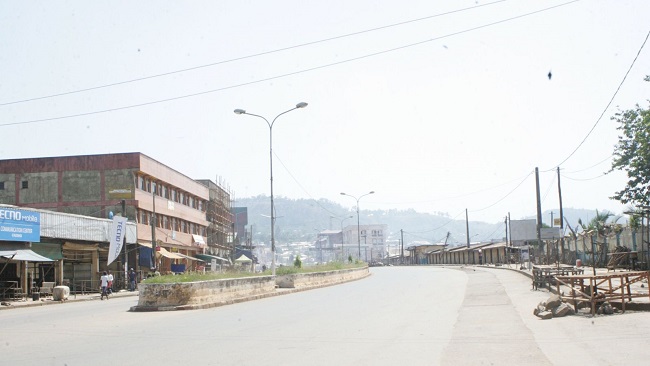
The crisis in anglophone Cameroon is damaging the Southwest Region’s economy, with palm oil plantations closing and the cocoa trade tumbling, an NGO report said Wednesday. The Southwest Region faces almost daily clashes between the army and separatists in a conflict that originated mainly in Cameroon’s second anglophone area, the Northwest Region.
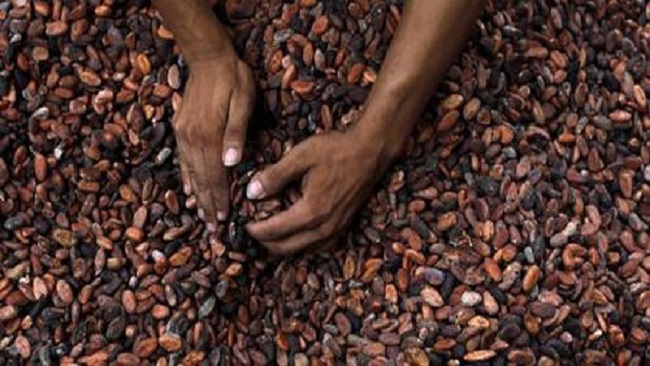
The state-run palm oil company Pamol has deserted some of its plantations, and cocoa and coffee production has stopped because villages have abandoned their crops, according to the Cameroon NGO Human Is Right. Sources at the private firm Telcar Cocoa, a market leader, told the NGO that insecurity in the region had caused an 80 percent fall in cocoa trade. Company officials should negotiate with fighters to secure their facilities in remote villages, the sources said. Meanwhile rubber and oil plantations have been abandoned in two of Southwest Region’s six districts, Ndian and Meme.
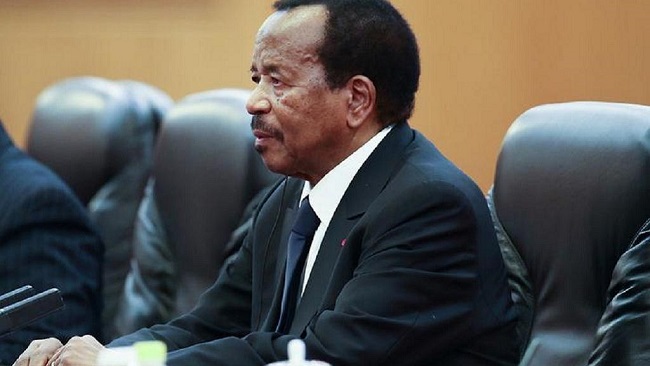
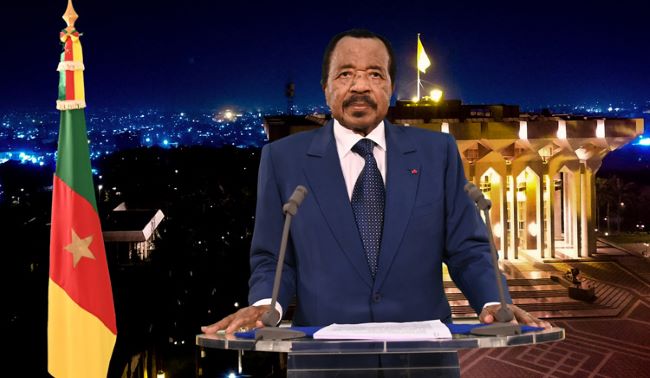
The crisis has led to a 70 percent increase in unemployment in the agricultural sector, the report found. Both the Southwest Region and the Northwest Region were once under British rule before joining francophone Cameroon in 1961 after independence. For years, resentment built among anglophones, fostered by perceived marginalisation in education, the judiciary and the economy at the hands of the French-speaking majority. Demands for greater autonomy were rejected by 85-year-old President Paul Biya, in power for more than 35 years, leading to an escalation that saw the declaration of the self-described “Republic of Ambazonia” in October last year.
www.vanguardngr.com
















27, July 2018
BRICS nations pledge enhanced economic cooperation in face of US tariff threats 0
The member states of BRICS, the association of five major emerging economies, have pledged to strengthen their economic cooperation as the US continues to beat the drum for trade war and unilateralism.
“We express concern at the spill-over effects of macro-economic policy measures in some major advanced economies,” the heads of the BRICS group — Brazil, Russia, India, China and South Africa – said in a joint statement on Thursday after meeting in Johannesburg for an annual summit.
They added that the multilateral trading system is facing unprecedented challenges, stressing the importance of an open world economy.
Addressing the 10th BRICS summit in South Africa on the second day of the talks, Chinese President Xi Jinping said, “We should stay committed to multilateralism”.
He further called on BRICS members states to deepen strategic partnership and open up the second “golden decade”.
The session, hosted by South African President Cyril Ramaphosa, was also attended by Brazilian President Michel Temer, Russian President Vladimir Putin, and Indian Prime Minister Narendra Modi.
Putin also addressed the summit, saying, “BRICS has a unique place in the global economy — this is the largest market in the world, the joint GDP is 42 percent of the global GDP and it keeps growing”.
“In 2017, the trade with our BRICS countries has grown 30 percent, and we are aiming at further developing this kind of partnership,” he said.
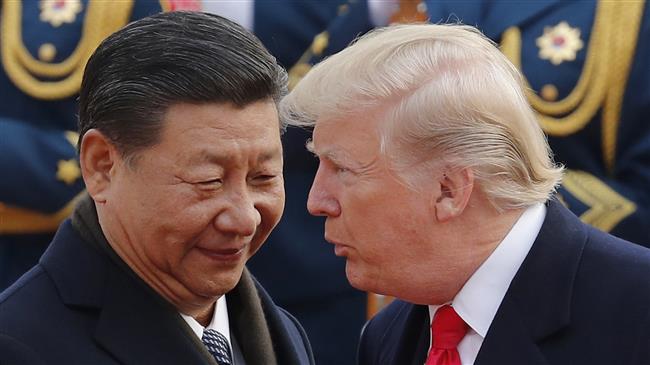
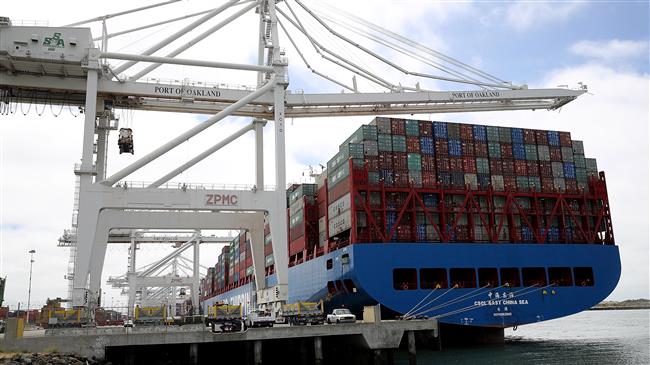
US President Donald Trump has said he is ready to impose tariffs on all $500 billion (428 billion euros) of Chinese imports, complaining that China’s trade surplus with the US is due to unfair currency manipulation.
Trump has slapped levies on goods from China worth tens of billions of dollars, as well as tariffs on steel and aluminum from the EU, Canada and Mexico.
The BRICS summit is taking place in Johannesburg between July 25 and 27. Heads of state or government from the five member states (Brazil, Russia, India, China and South Africa) are discussing areas of possible cooperation.
Source: Presstv